
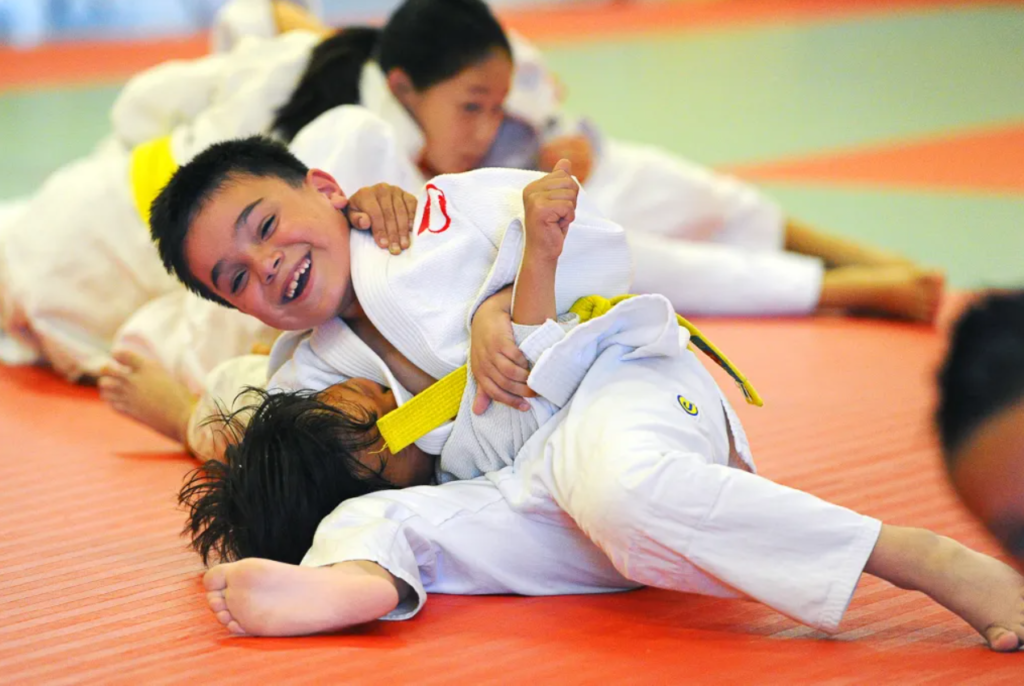
Judo is often described as “the gentle way,” but anyone who has watched a group of children tumble across the mats in a dojo knows there is far more to it than that. Beneath the throws, rolls, and bursts of laughter is a discipline that nurtures confidence, emotional resilience, respect, and physical literacy in a way few other activities can match. When parents look for sports that will shape their children into capable, well-rounded individuals, they often consider the familiar options—soccer, swimming, gymnastics—but judo deserves to stand right beside them. It offers a unique blend of athletic skill, philosophical grounding, and personal development that children tend to absorb in remarkably deep and natural ways.
The first thing that becomes obvious when a child begins judo is that it demands awareness—not only of one’s own body but of another person’s movement and intention. Unlike many youth sports that focus primarily on running or striking, judo’s techniques require subtle coordination: a shift in balance here, a hand placement there, or a carefully timed pull. Children learn early on that success doesn’t come from brute force. It comes from understanding leverage, timing, and the idea that even someone smaller can overcome a bigger opponent through smart movement and patience. For kids who may not see themselves as naturally strong or athletic, judo opens a door to a new kind of physical confidence. They discover the power of technique, the pleasure of mastering a skill through repetition, and the thrill of realizing they’ve performed a throw they once thought impossible.
Alongside physical confidence comes emotional growth. Many children grapple—literally and figuratively—with frustration, fear, or self-doubt. Judo situates these emotions squarely in front of them. There is something incredibly grounding about learning to fall safely, getting back up, and trying again. Falling is not treated as a failure; it is celebrated as part of the learning process. The dojo environment normalizes imperfection and encourages resilience. A child might be nervous the first time they allow another student to throw them, but that moment can become a transformative one: they learn they can trust their own training, trust their partner, and trust that they are capable of handling adversity.
Trust, in fact, is woven into nearly every aspect of judo practice. Children train with partners, not opponents, and they quickly realize that their progress depends on cooperation. If their partner doesn’t resist appropriately during drills, they won’t learn. If they don’t communicate or maintain control, someone could get hurt. Judo teaches kids to take responsibility not just for themselves but for the well-being of others. They bow before and after every match, not out of formality but out of mutual respect. The etiquette becomes instinctive: looking out for the new student who might be unsure, offering a hand to help someone up, stopping immediately if a partner is uncomfortable. In a world where children are often encouraged to “win” at all costs, judo provides a welcome reminder that sport can be practiced with dignity and compassion.
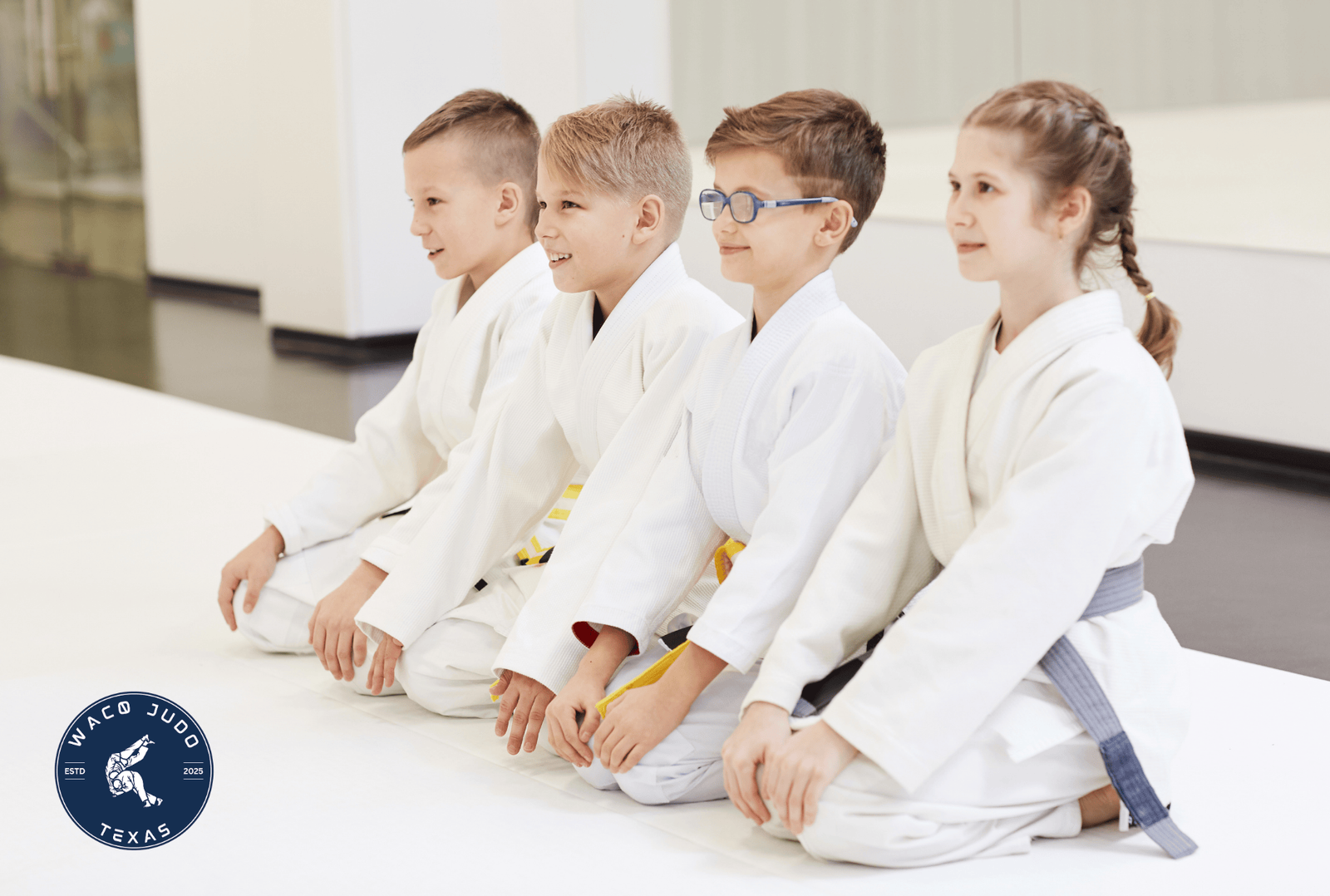
Parents often notice changes outside the dojo as well. Children who train in judo tend to carry themselves differently. Their posture improves, and so does their sense of calm. Judo teaches them to breathe, to pause, to think before acting. Because the sport relies on using an opponent’s momentum and making split-second decisions, children become more adept at reading situations. This isn’t just a physical skill—it extends into their social lives. Some parents report that judo helps their kids become more patient siblings, more attentive students, or more self-aware friends. The discipline encourages introspection and emotional control in ways that feel organic rather than forced.
Another aspect that sets judo apart is its inclusivity. Children of all sizes, backgrounds, and temperaments find a place for themselves on the mat. A shy child may discover a quiet confidence through the structured routine of practice. An energetic child may find a safe and constructive outlet for their physical impulses. A child who struggles academically might find a sense of achievement in the steady progression of belts and skills. Judo does not demand that children fit a certain mold; instead, it adapts to them. The structure is consistent, but the experience is individualized, making it especially valuable for kids who need both stability and room to grow.
There is also something undeniably joyful about the physicality of judo. Children love to move, and judo gives them a space to roll, tumble, grapple, and laugh—while staying safe and learning technique. Many kids find the sensation of being able to control a fall or execute a throw incredibly empowering. Learning ukemi, or break-falling, is often a favorite part of early training, not only because it is fun but because it teaches a life skill: how to protect oneself when things go wrong. Many adults who practiced judo as children still instinctively tuck and roll when they slip on ice or lose balance. The body remembers, and that memory can prevent injuries long after childhood.
As children advance, they begin to appreciate the strategic side of judo. Every sparring match, or randori, becomes a puzzle. They learn to adapt, experiment, and observe—skills that mirror problem-solving in everyday life. The beauty of judo is that it offers continuous opportunities for challenge; even the most experienced practitioners agree that they are always learning. For children, this endless progression fosters humility as well as ambition. There is always a new technique to refine or a familiar one to understand more deeply.
Competition, when kids choose to engage in it, offers yet another dimension of growth. Judo competitions are structured and respectful, emphasizing sportsmanship and learning over aggression. Win or lose, children come away with insight into themselves—how they handle pressure, how they cope with disappointment, how they celebrate success. Coaches typically remind young competitors that the goal is not to defeat others but to improve oneself. For many kids, stepping onto a competition mat becomes a milestone in personal development, representing courage, dedication, and a willingness to test their abilities.
Finally, judo gives children a sense of belonging. A dojo becomes a community where they grow up in the company of peers and mentors who share a commitment to discipline, kindness, and perseverance. They learn from older students, set examples for younger ones, and form friendships rooted in shared effort. The dojo becomes a place where they can express themselves fully—physically, emotionally, and socially—without fear of judgment. This sense of community can be especially meaningful for children who might feel disconnected elsewhere.
In a world that often pushes children to achieve academically, perform socially, or excel in specific ways, judo offers something refreshingly balanced. It reminds them that strength is not just physical, that success is not just external, and that growth is a journey of both body and mind. Through falling and rising, gripping and releasing, children learn how to face life’s challenges with resilience, compassion, and clarity.
For these reasons and many more, judo remains one of the most enriching activities a child can experience. It builds character without preaching, develops strength without glorifying aggression, and teaches children how to be both powerful and kind. On the mat, they learn how to navigate conflict, how to respect others, and how to believe in themselves. Off the mat, those lessons follow them—quietly, steadily, and for life.